Source digital high gain guitar preamp for studio live and practice
Explore 30 listings for the digital high gain guitar preamp to compare specifications and pricing from verified suppliers. Buyers can evaluate options for studio recording, live performance, and practice sessions with detailed product attributes.
Key considerations
Products List


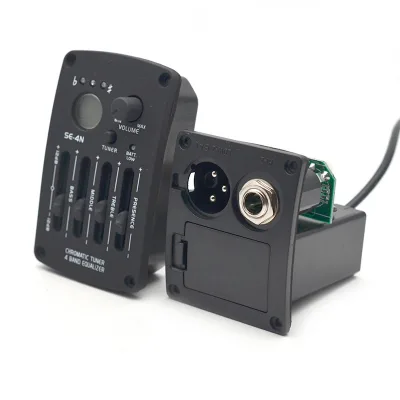


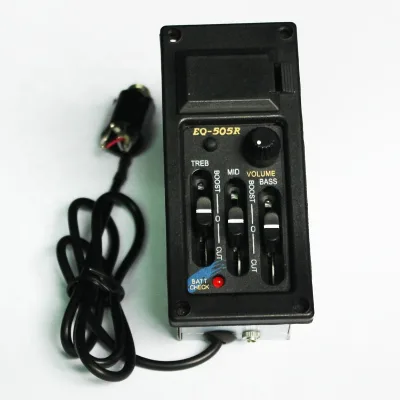
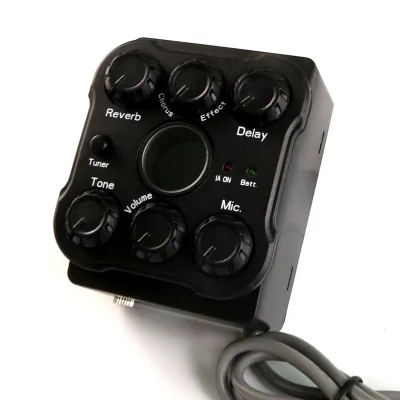


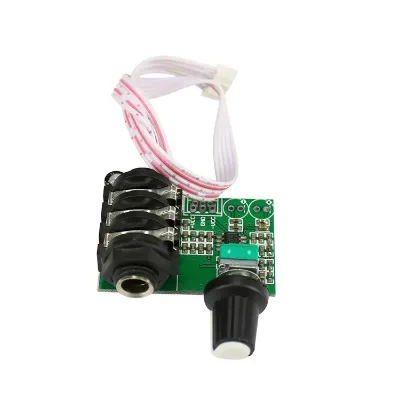



Comprehensive Sourcing Guide
Strategic Sourcing Guide for Digital High Gain Guitar Preamp
The procurement of digital high gain guitar preamps represents a specialized segment within the broader musical instrument supply chain. Buyers seeking these components must navigate a landscape defined by specific electronic configurations, varying material constructions, and diverse manufacturing capabilities. The core keyword, "digital high gain guitar preamp," implies a device designed to shape tone, increase signal amplitude, and provide saturation characteristics essential for modern rock and metal genres. Sourcing decisions in this category require a rigorous understanding of technical specifications, supply chain logistics, and quality assurance protocols to ensure the final product meets professional performance standards.
Technical Specifications and Performance Parameters
When evaluating potential inventory for digital high gain guitar preamps, buyers must first establish a baseline of technical requirements. The provided data indicates a wide variance in product attributes, ranging from simple equalizers to complex amplifier systems. A critical observation in the current market data is the distinction between the preamp unit itself and the broader amplifier ecosystem. For instance, some listings identify products specifically as "Guitar Equalizer" or "Electric Guitar Amplifier," while others focus on the "Body Material" of the instrument or the "Style" of the amplifier.
The power supply requirements for these units vary significantly, with observed ranges including 15W, 25W, 30W, 40W, 60W, and 80W. This variation suggests that "high gain" capabilities are not uniform across all listed products. A buyer must verify whether the specific unit under consideration includes a dedicated digital processing chip capable of high-gain emulation or if it relies on analog circuitry within a digital chassis. The "Model Number" field in supplier catalogs often serves as the primary identifier for these technical distinctions. Models such as TG-40R, GA-15, and ELC-20 appear in the data, each potentially representing different gain structures or feature sets.
Furthermore, the physical dimensions and packaging standards provide indirect clues about the internal component density. Standardized packaging sizes, such as 20x28.5x15 cm or 110x19x67 cm, indicate the scale of the unit. A compact unit with a single package size of 8x5x5 cm and a gross weight of 0.120 kg is likely a pedal or a small effects unit, whereas larger carton boxes containing 4 pieces suggest a more substantial amplifier head or cabinet component. Buyers should request detailed schematics or datasheets to confirm the digital signal processing (DSP) capabilities, ensuring the "high gain" claim is backed by measurable frequency response and distortion characteristics.
Material Construction and Physical Durability
The physical integrity of a digital preamp is heavily influenced by the materials used in its construction. The supplied facts highlight a mix of materials, including "Plywood," "Metal," and "Wood." While "Plywood" and "Wood" are typically associated with guitar bodies or amplifier cabinets to enhance acoustic resonance, "Metal" is often used for the chassis of electronic components to provide shielding against electromagnetic interference (EMI) and to dissipate heat.
For a digital high gain preamp, the internal chassis material is paramount. Metal enclosures offer superior protection for sensitive digital circuits against physical shock and electrical noise, which is critical for maintaining signal purity in high-gain environments. However, the presence of "Plywood" in the product attributes suggests that some listings may refer to the external housing of a guitar rather than the preamp unit itself. Buyers must exercise caution when interpreting "Body Material" attributes. If the product is a standalone preamp, the casing should ideally be metal. If the product is a guitar with an integrated preamp system, the wood type (plywood vs. solid wood) will affect the instrument's sustain and tonal character.
Packaging details also reflect the durability expectations of the product. Observations of "Carton Box," "Paper Box," and specific packing configurations like "4PCS/CTN" or "2PCS/Box" indicate how the manufacturer prepares the item for transit. A robust packaging strategy, such as using double-walled cartons for heavier metal units, is essential to prevent damage during shipping. The "Single gross weight" of 0.120 kg for a specific item suggests a lightweight, portable design, which may limit the use of heavy-duty metal shielding. Procurement teams should verify that the packaging standards align with the fragility of the internal digital components.
Compliance, Certification, and Safety Standards
Navigating the regulatory landscape is a non-negotiable aspect of sourcing electronic musical equipment. While the provided data does not explicitly list specific certification bodies like CE, FCC, or RoHS, the mention of "prod_standard" values such as "42inch," "acoustic guitar, classical guitar, electric guitar," and dimensional standards like "110X19X67 cm" indicates that manufacturers are adhering to certain industry norms.
Buyers must verify that the digital preamp complies with international safety standards for electrical appliances. This includes checking for proper insulation, voltage regulation, and protection against short circuits. The "Power Supply" specifications listed (ranging from 15W to 80W) require verification against the local electrical grid standards of the destination market. For example, a unit designed for 110V operation may not be safe for use in regions with 220V grids without a transformer.
Additionally, the "prod_standard" field mentioning "4pcs per carton" and specific dimensions suggests a level of standardization in manufacturing. However, buyers should not assume that these dimensions equate to safety certifications. It is imperative to request proof of compliance with electromagnetic compatibility (EMC) regulations, as digital preamps can emit radio frequency interference that affects other equipment. The absence of explicit certification data in the source material necessitates a proactive verification process where the buyer requests third-party test reports before finalizing any order.
Cost Drivers and Pricing Dynamics
The observed price range of 2 to 450 USD reflects the vast diversity in the product category. This wide spectrum is driven by several key cost factors. At the lower end of the spectrum, products may be simple analog pedals or basic digital units with minimal processing power, often utilizing lower-cost materials like plastic or thin metal. The "Selling Units" attribute of "Single item" for a low-weight product suggests a consumer-grade item, which typically carries a lower price point.
Conversely, the upper end of the price range likely corresponds to professional-grade units with advanced DSP capabilities, robust metal construction, and comprehensive feature sets. The "MOQ" (Minimum Order Quantity) data reveals a bifurcated market structure. Some suppliers offer an MOQ of 2 pieces with their own brand, catering to small retailers or custom orders. Others require an MOQ of 100 pieces for OEM orders, indicating a focus on bulk manufacturing and cost-efficiency for large-scale distribution.
The "Supply Ability" of 5000 pieces per month suggests a manufacturer with significant production capacity, which can influence pricing through economies of scale. However, the "Delivery Time" variance—1-3 days for stock goods versus 30 days for OEM orders—also impacts the total cost of ownership. Expedited shipping for stock items may incur additional logistics costs, while the longer lead time for custom orders allows for more efficient production planning but requires careful inventory management. Buyers should analyze the total landed cost, including duties and shipping, rather than focusing solely on the unit price.
Supplier Evaluation and Brand Verification
Evaluating suppliers in the digital preamp sector requires a deep dive into their brand identity and manufacturing capabilities. The data includes several brand names, such as "Smiger Guitar," "GETMusic," and "Deviser," alongside generic descriptions like "Wholesale Music Instrument Guitar AMP Factory Devi." The presence of "OEM or ODM Are Welcome" indicates that many suppliers are capable of custom manufacturing, allowing buyers to create private label products.
When assessing a supplier, buyers should verify the authenticity of the brand name and its reputation in the market. The "Logo" attribute, specifically mentioning "Deviser," suggests that branding is a key differentiator. Buyers must ensure that the supplier has the legal right to use these logos and that the branding aligns with the quality expectations of the target market. Furthermore, the "Place of Origin" is consistently listed as "Guangzhou, China" or "Guangdong, China," a region known for a high concentration of musical instrument manufacturers.
While the location is a strong indicator of supply chain proximity, it does not guarantee quality. Buyers should conduct due diligence on the specific factory's history, focusing on their experience with digital electronics rather than just acoustic instruments. The distinction between a factory that primarily makes guitars and one that specializes in digital amplifiers is crucial. A supplier with a "Supply Ability" of 5000 pieces per month is likely an established operation, but the buyer must confirm that this capacity is dedicated to the specific digital preamp technology required.
Quality Control and Long-Term Procurement Strategy
Implementing a robust quality control (QC) protocol is essential for mitigating risks associated with digital electronic components. Given the "Customization" and "Custom" attributes available, buyers should establish clear specifications for the preamp's performance before production begins. This includes defining the gain structure, frequency response, and latency requirements. The "Product Name" variations, such as "Electric Guitar Amplifier for Wholesale," suggest that marketing language can sometimes obscure technical realities. Therefore, QC should focus on functional testing rather than just cosmetic inspection.
For long-term procurement, buyers should consider the "Delivery Time" and "MOQ" flexibility. The option for 1-3 day delivery on stock goods allows for agile inventory management, while the 30-day lead time for OEM orders requires a more strategic approach to stock planning. Establishing a relationship with a supplier that offers both stock and custom options can provide a competitive advantage. Additionally, the "Packaging Details" should be standardized to ensure that the product arrives in pristine condition, minimizing returns and customer complaints.
Buyers should also monitor the "Material" consistency across batches. Variations in the use of metal versus wood or plywood can affect the product's durability and acoustic properties. Regular audits of the manufacturing process, particularly for the digital circuitry and power supply components, will help maintain product integrity. By focusing on these technical and logistical details, buyers can build a resilient supply chain that delivers high-quality digital high gain guitar preamps to the market.
Comparative Analysis of Product Attributes
To facilitate a clearer understanding of the market landscape, the following table summarizes key attributes observed in the product data, highlighting the diversity in specifications and packaging.
| Attribute Category | Observation 1 | Observation 2 | Observation 3 |
|---|---|---|---|
| Product Type | Guitar Equalizer | Electric Guitar Amplifier | Guitar AMP |
| Material | Metal | Plywood | Wood |
| Power Supply | 15W - 80W (Variable) | 40W | 15W, 25W, 30W, etc. |
| Packaging | 4PCS/Box | 2PCS/Box | Carton Box |
| MOQ | 2PCS (Stock) | 100PCS (OEM) | 1-20 (General Range) |
| Origin | Guangzhou, China | Guangdong, China | China |
| Brand | GETMusic | Smiger Guitar | Deviser (Logo) |
| Size/Standard | 42" | 40" | 110X19X67 cm |
This comparison underscores the necessity for buyers to specify their exact requirements. A product listed as a "Guitar Equalizer" with a weight of 0.120 kg is fundamentally different from a "Guitar AMP" with a 40W power supply and a 42-inch standard. The variation in MOQs further illustrates the split between small-batch custom orders and large-scale wholesale distribution. By carefully cross-referencing these attributes, buyers can identify suppliers that align with their specific procurement strategy, ensuring they source the correct digital high gain guitar preamp technology for their needs.
FAQs
What materials are used for digital high gain guitar preamp bodies?
Materials include metal, wood, and plywood depending on the specific model. Metal is preferred for electronic shielding, while wood and plywood are often used for guitar bodies or amplifier cabinets to enhance resonance and durability.
Which power supply options are available for these amplifiers?
Power supply options range from 15W to 80W, including 25W, 30W, 40W, and 60W variants. Buyers must verify the specific wattage required for their setup to ensure compatibility with the digital signal processing needs.
Can buyers customize the logo and branding on these units?
Yes, customization is available with OEM or ODM services welcome. Suppliers like Deviser offer logo options, allowing buyers to create private label products with specific branding requirements for their target market.
What is the minimum order quantity for stock versus custom orders?
The minimum order quantity is 2 pieces for stock goods with the supplier's brand and 100 pieces for OEM orders. This structure supports both small retailers needing immediate stock and larger distributors requiring custom manufacturing.
How long does delivery take for stock items compared to custom orders?
Delivery takes 1 to 3 days for stock goods and approximately 30 days for OEM orders. This lead time difference allows buyers to choose between immediate availability and the flexibility of custom production schedules.
Where are these digital high gain guitar preamp products manufactured?
Products originate from Guangzhou and Guangdong, China, which are major hubs for musical instrument manufacturing. This location provides access to established supply chains and specialized factories capable of producing both acoustic and electric guitar components.
What packaging standards are used for shipping these electronic units?
Packaging includes carton boxes, paper boxes, and specific configurations like 4 pieces per carton or 2 pieces per box. These standards ensure the protection of sensitive electronic components during transit and align with industry shipping norms.